
Billboard pricing used to be straightforward. You selected a location, booked it for a specific duration, printed your creative materials, and paid based on estimated traffic. For many years, this approach satisfied advertisers because visibility seemed clear-cut. However, markets have evolved. Audience movement is now less predictable, and attention is divided across multiple devices. Campaigns are assessed based on measurable returns rather than just simple exposure.
As a result, current billboard pricing reflects much more than just the physical location. At Moving Media, we observe that brands often struggle to understand why two billboard placements that appear similar on a map can yield dramatically different results. The answer lies in the mechanics of mobility, timing, data, and accountability. Grasping these factors can clarify what you are truly paying for.
The Old Pricing Model: Rent the Space, Hope for the Best
Traditional advertising billboards have historically been valued based on their location. A site is considered valuable if it exists along a well-known corridor. Typically, the longer the contract and the busier the road, the higher the advertising rate. While this system is still in use, it has its limitations.
A billboard may command a premium price based on its reputation or past visibility, but the actual number of people who see it at any given time can vary significantly. Factors such as construction, remote work trends, weather, and local events can all impact how many viewers pass by. When pricing remains fixed while audience behaviour changes, the efficiency of the advertising shifts.
What Modern Buyers Now Evaluate
Brands increasingly ask different questions before approving spend. Instead of Where is the sign? They ask:
- Who will be there at specific times?
- How long will they notice the message?
- Can the route or placement adapt mid-campaign?
- What proof will we receive after it runs?
This reframes how billboard advertisment value is calculated. Price is tied to a verified opportunity rather than assumed traffic.
Location Still Matters, But Timing Matters More
A premium CBD site during peak commuting hours may justify a higher rate. The same location at midday could deliver a fraction of the impact. Mobile formats allow pricing to align with when density is present, not just where infrastructure is.
This means:
- Morning commuter windows carry a different value from late evenings
- Event adjacencies spike rates temporarily
- Retail zones fluctuate across the week
When campaigns follow people rather than wait for them, cost structures become more dynamic.
Audience Quality Changes Price Faster Than Geography
Not all impressions are equal. A thousand exposures to distracted highway drivers behave differently from a thousand exposures to pedestrians near a shopping precinct. One group might glance; the other might act. Because modern advertisers want outcomes, advertising on a billboard, prices increasingly rise when:
- Dwell time improves
- Repeat frequency increases
- Proximity to purchase environments shortens
Better audiences justify stronger rates because they produce measurable behaviour.
Static Versus Mobile: A Structural Pricing Divide
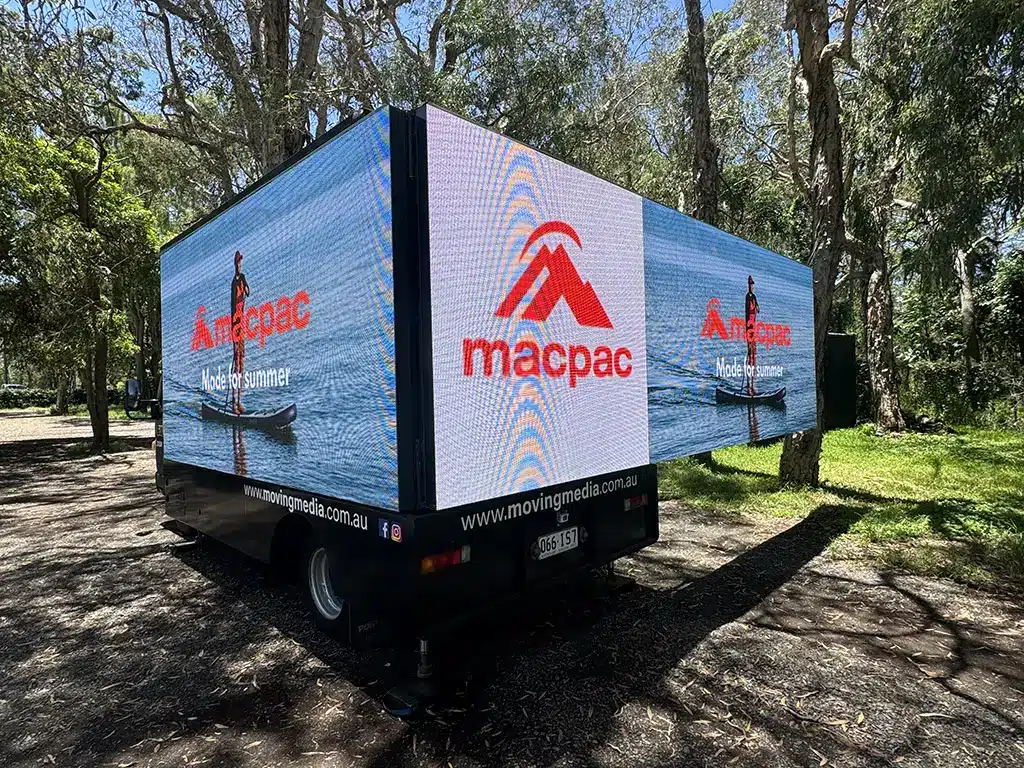
Static placements charge for real estate, while mobile placements charge based on movement and timing. The difference may seem subtle, but it significantly impacts results. With static inventory, a brand pays regardless of traffic performance. In contrast, mobile placements can adapt to changing opportunities. The global outdoor advertising market is on a remarkable upward trajectory, rising from $41.2 billion in 2025 to $78.1 billion by 2030, with digital and mobile formats leading the way.
The mobile digital billboard segment has already reached $32.5 billion in 2024 and is expected to soar to $78.4 billion by 2034, driven by a robust 9.2% CAGR. This growth highlights a clear and exciting trend: mobility truly aligns with today’s dynamic lifestyle! At Moving Media, we often observe clients reallocating their budgets not because mobile options are cheaper, but because they deliver better performance for each dollar spent.
Creative Capabilities Influence Value
Modern outdoor media is no longer one poster for four weeks. Digital formats rotate multiple messages, adjust copy by suburb, or respond based on the time of day. That flexibility directly affects performance and therefore price.
Advertisers may pay more when the creative can:
- Rotate product ranges
- Adapt to the weather
- Support event countdowns
- Update calls to action instantly
The more responsive the system, the greater the potential for returns. Augmented reality integrations are creating immersive experiences.
Measurement Is Now a Pricing Variable
Historically, the outdoors relied on estimates. Now, many campaigns produce granular reporting.
When advertisers receive data on:
- Opportunity-to-see
- Exposure clusters
- Route heatmaps
- Device density
This move toward evidence-led buying is central to the argument in Why Billboard Advertising Is Evolving From Static Billboard Advertising to Mobile Impact, where verified exposure reshapes how value is calculated.
Duration and Frequency Still Play a Role
Longer campaigns typically lower the per-day rate, but short, high-intensity bursts can create outsized results. Some brands want a constant presence. Others want tactical dominance around launches or promotions. Because mobile and digital formats compress exposure into active windows, shorter runs can justify higher day rates while still producing efficient outcomes.
Production and Logistics Are Less Central Than Before
Printing, installation, and material costs once represented a large portion of billboard budgets. Digital screens reduce many of these expenses. However, new variables replace them:
- Route planning
- Data integration
- Monitoring
- Reporting
- Optimisation
Pricing shifts from manufacturing to intelligence.
Competition for Attention Raises Market Rates
Urban environments become noisier each year, with an increase in signage, screens, and distractions. As competition heats up, advertisers focus on innovative formats that capture attention beyond typical visibility patterns. The element of movement introduces novelty, which often leads to a higher perceived value. When people have learned to ignore a structure they pass by every day, simply lowering the price won’t make it more effective. Instead, incorporating movement can make a significant difference.
Pricing Reflects What the Audience Actually Does
The prices for billboard advertising have evolved to closely reflect key factors such as movement patterns, population density, and measurable audience engagement. This dynamic approach emphasises how people navigate their environments, make shopping decisions, and interact with their communities, rather than focusing solely on the billboard’s physical location.
At Moving Media, we fully embrace this changing landscape, leveraging data-driven insights to create compelling campaigns that truly resonate with today’s diverse audience. Our goal is to produce impactful advertisements that connect with people in meaningful ways every single day.
Frequently Asked Questions
What influences the price of advertising on a billboard the most today?
Pricing now depends on more than geography. Advertisers evaluate timing, audience density, dwell patterns, creative flexibility, and the ability to measure exposure. Campaigns that reach people during high-traffic windows or near purchase environments often command stronger rates because they create a higher probability of action, not just passive visibility.
Why can two advertising billboards in similar areas cost very different amounts?
Two locations might look identical on a map yet behave differently in practice. Variations in traffic flow, pedestrian presence, event schedules, and surrounding retail activity can dramatically change audience quality. Pricing reflects the likelihood of engagement, repeat exposure, and proximity to decision-making moments, not just postcode prestige.
Do digital capabilities increase billboard advertisment costs?
They can, but they often improve efficiency. Digital formats allow creative rotation, daypart messaging, and rapid updates tied to context. Because campaigns can respond to live conditions and optimise performance, advertisers frequently see stronger returns, which helps justify higher upfront investment.
Is mobile billboard pricing more predictable than static?
Mobile pricing is clearer because routes, exposure windows, and reporting are defined in advance. Instead of relying solely on historical traffic assumptions, advertisers understand when assets will operate and what type of audience concentration is expected, creating stronger alignment between spend and opportunity.
How does measurement affect what advertisers are willing to pay?
When brands receive verified data showing where and when audiences saw a message, confidence increases. Higher confidence often leads to greater investment because marketing teams can connect exposure to behavioural outcomes, internal reporting, and future optimisation strategies.
